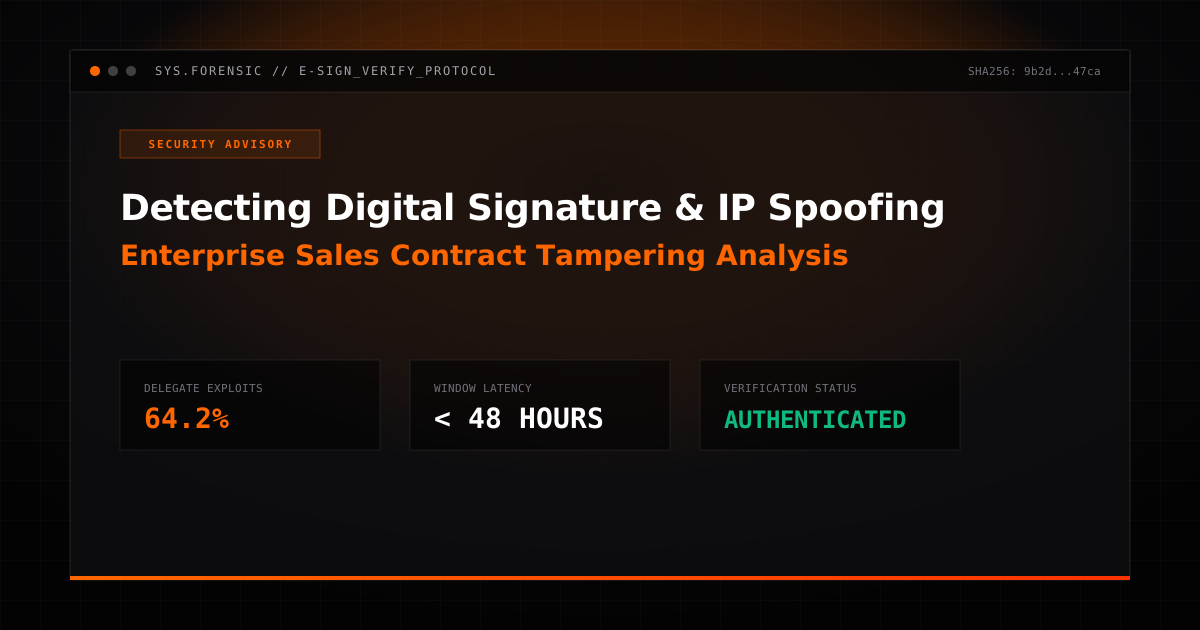
The Evolution of Modern Enterprise Contract Tampering
Physical paper contract tampering—altering a page before wet ink signing—has been almost entirely replaced by cyber-enabled signatory fraud. As enterprise organizations route hundreds of millions of dollars in software, hardware, and professional services agreements through platforms such as DocuSign, Adobe Sign, and Ironclad, sophisticated adversaries exploit vulnerabilities in the digital execution perimeter.
Recent forensic audits reveal that unauthorized side-letters, rogue discounts, and altered indemnity caps are frequently signed through compromised corporate accounts, spoofed IP envelopes, or unauthorized delegate access.
Technical Vectors in Electronic Signature Spoofing
1. IP Geolocation & Proxy Discrepancies
Every commercial e-signature transaction generates an immutable Certificate of Completion that records the signer’s public IP address, email verification token, and timestamp. A primary red flag of fraudulent execution is a geographic divergence between the declared corporate domicile and the egress IP recorded during the signing ceremony:
- VPN & Commercial Proxy Egress: Execution originating from data-center ASNs (e.g., OVH, DigitalOcean, Linode) rather than residential or corporate enterprise netblocks.
- Zero-Latency Multi-Signatory Anomaly: Multiple executive signatories located across different continents completing execution ceremonies within seconds of one another from the same IP subnet.
2. Session Hijacking and Email Routing Forgery
Adversaries gaining unauthorized access to executive email gateways (via session token theft or Business Email Compromise) can reroute contract execution invitations directly into attacker-controlled environments without alerting the legitimate signatory.
Statutory Verification Standards: ESIGN Act & UCC § 2-201
To establish an enforceable electronic contract in federal or state court, the signature must satisfy the statutory standards codified in the Electronic Signatures in Global and National Commerce Act (ESIGN, 15 U.S.C. § 7001) and the Uniform Electronic Transactions Act (UETA):
Under 15 U.S.C. § 7001, an electronic signature cannot be denied legal effect solely because it is electronic; however, the proponent must establish that the signature was the act of the specific person whom it purports to bind, verifiable through reliable audit evidence.
When forensic evidence demonstrates that signing audit envelopes were spoofed or completed without verified signatory authority, the contract is rendered voidable under UCC § 2-721 and fails the fundamental writing requirements of UCC § 2-201 (Statute of Frauds).