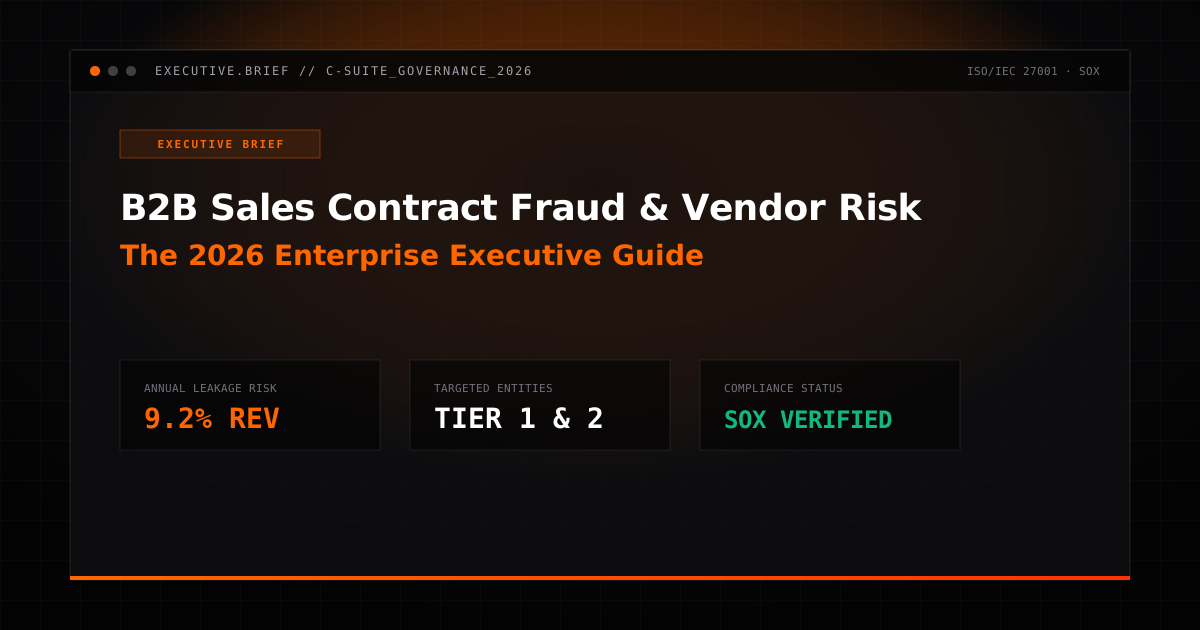
Executive Threat Summary: The Rise of B2B Sales Contract Fraud
In 2026, corporate transactions face an escalating threat environment. As enterprise sales contracts grow increasingly complex—involving multi-tiered vendor relationships, dynamic pricing schedules, and distributed procurement workflows—fraudulent alterations and stealth contract leakage have become multi-million-dollar vulnerabilities.
Three Critical Vulnerabilities in B2B Contract Execution
- Stealth Pricing Matrix Tampering: Unauthorized edits made to high-volume rate cards, discount tiers, or SLA penalties prior to final signature execution.
- Unauthorized Side Agreements: Oral or informal written side letters that commit delivery resources or liability caps without legal oversight.
- Vendor Chain Leakage: Intermediary brokers and subcontractor links siphoning margin through unverified contract modifications.
The Exposure Formula: Measuring Breach Liability
Modern legal and sales operations leverage transient, zero-retention liability modeling with our Contract Breach Scaler to quantify risk:
Total 48-Hour Breach Liability = Average Contract Value × (Number of Vendor Links × 1.15 (detailed in our Multiplier Effect study))
By measuring potential liability before countersigning, enterprise sales leaders protect brand equity and avoid statutory breach penalties.
Operational Action Steps for Revenue Leaders
- Implement strict version parity checks between contract negotiation redlines and executed PDFs.
- Enforce dual-control approvals (Maker-Checker) on all contractual indemnification terms exceeding $100,000.
- Utilize zero-retention calculators to assess exposure without logging sensitive deal terms to public cloud databases.